
Slab Leak Detection in Cape Coral, FL
Pinpoint Foundation Leaks Without Demolishing Your Flooring
Deep Dive Leak Detection, LLC provides slab leak detection for homes and commercial buildings in Cape Coral where water lines run beneath concrete foundations. You call when you feel a warm patch on the floor near the bathroom, notice hairline cracks spreading from the center of a room, or see your water meter spinning even when every faucet is closed.
Slab leaks occur when copper or PEX supply lines corrode, shift with soil settlement, or develop pinhole failures from water chemistry and pressure cycles. Because the pipes sit in channels cut into the concrete pour, leaking water migrates through the slab and erodes the base material, creating voids that let the foundation settle unevenly and crack.
If you suspect a slab leak based on rising bills, damp baseboards, or a constant sound of running water beneath the floor, schedule an immediate inspection to locate the failure before it spreads into structural damage and mold growth.
How Non-Invasive Tools Pinpoint Leaks Beneath Concrete
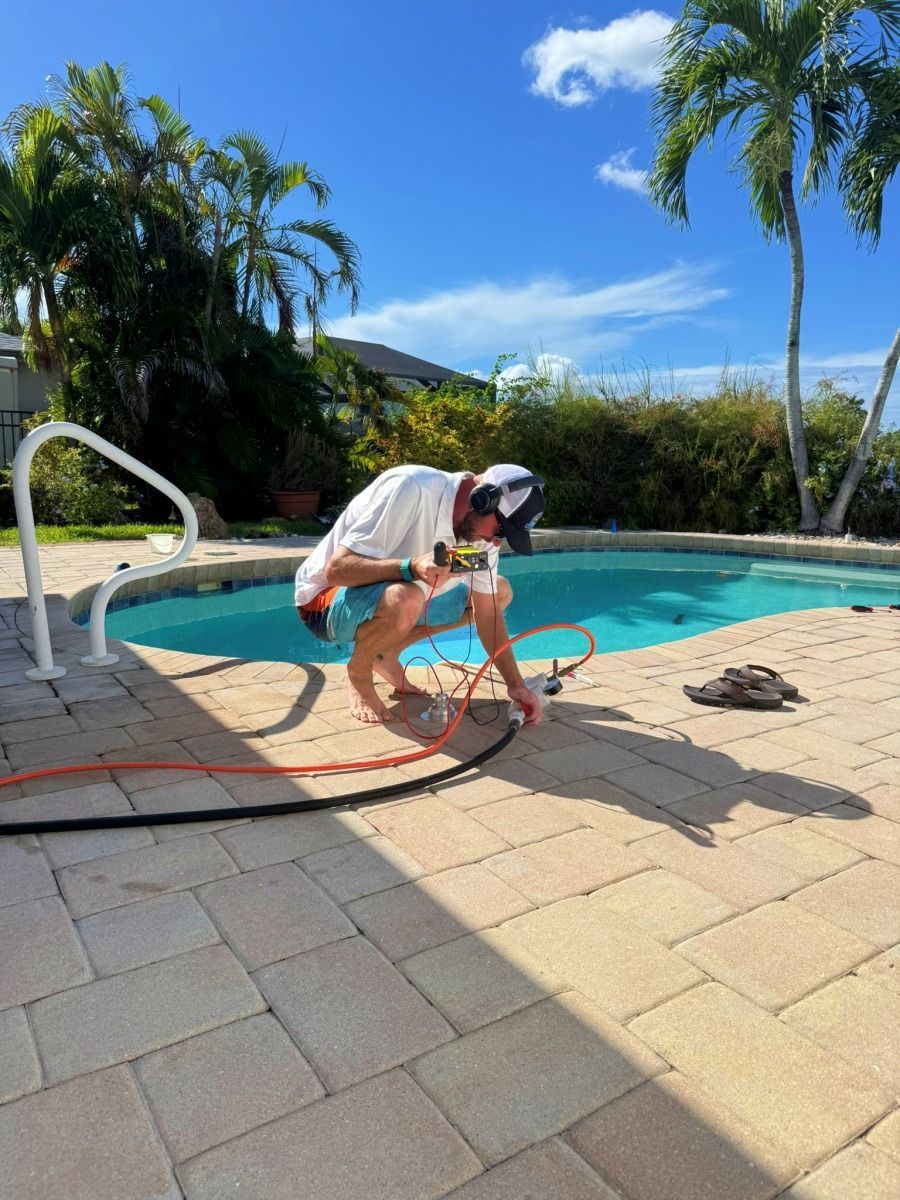
The technician uses an electronic listening device to trace pressurized water sound through the slab, moving the sensor across the floor in a grid pattern until the signal peaks directly above the leak. In some cases, a helium-hydrogen tracer gas is introduced into the closed supply system, then a detector wand follows the gas as it rises through the concrete and registers at the surface.
Once the leak is marked, you will see spray paint or tape on the floor showing the repair crew exactly where to cut, eliminating the need to jackhammer wide sections of slab in trial-and-error fashion. Deep Dive Leak Detection, LLC gives you a written report with photographs and measurements so your plumber knows the depth and orientation of the failed pipe.
Thermal imaging cameras reveal temperature differences where hot water leaks beneath the slab, creating warm zones on the floor surface. This method works well in Florida homes where air conditioning keeps interior temperatures consistent, making even small thermal anomalies easy to spot. The equipment does not require removal of tile, carpet, or cabinetry during the detection phase.
Common Questions About Slab Leak Detection Service
Homeowners in Cape Coral often ask how detection works without tearing up floors, what signs indicate a slab leak versus a surface plumbing issue, and whether older homes face higher risk.
What causes slab leaks in Florida homes?
Soil movement from seasonal moisture changes, acidic well water that corrodes copper, and installation defects where pipes rub against rebar or sharp aggregate all contribute to slab line failures over time.
How do you know the warm spot on the floor is a leak and not radiant heat?
You isolate the hot water supply at the shutoff valve and monitor the floor temperature for thirty minutes; if the warm area cools down, the heat source is leaking water, not environmental conditions.
When should you test for a slab leak instead of checking visible plumbing first?
You should test the slab if the water meter continues to move after you shut off every fixture, appliance, and hose bib, and you see no dripping faucets or running toilets anywhere in the building.
Why is early detection important for slab leaks?
Water eroding the base material beneath the slab creates voids that let sections of the foundation sink and crack, leading to uneven floors, jammed doors, and separation between walls and ceilings.
What information does the detection report include?
The report lists the GPS coordinates or room-based location of the leak, estimated depth below the slab surface, and proximity to load-bearing walls or utility chases.
Deep Dive Leak Detection, LLC helps property owners avoid unnecessary demolition by delivering precise leak locations before repair work begins. Contact the team to arrange a slab leak evaluation and protect your foundation from further erosion and settling.